August 25, 2026 • Renata Solís • 9 min reading time • Specs verified June 5, 2026
Adjustable Weighted Vests in the $30–$80 Range: Where the Real Value Lives
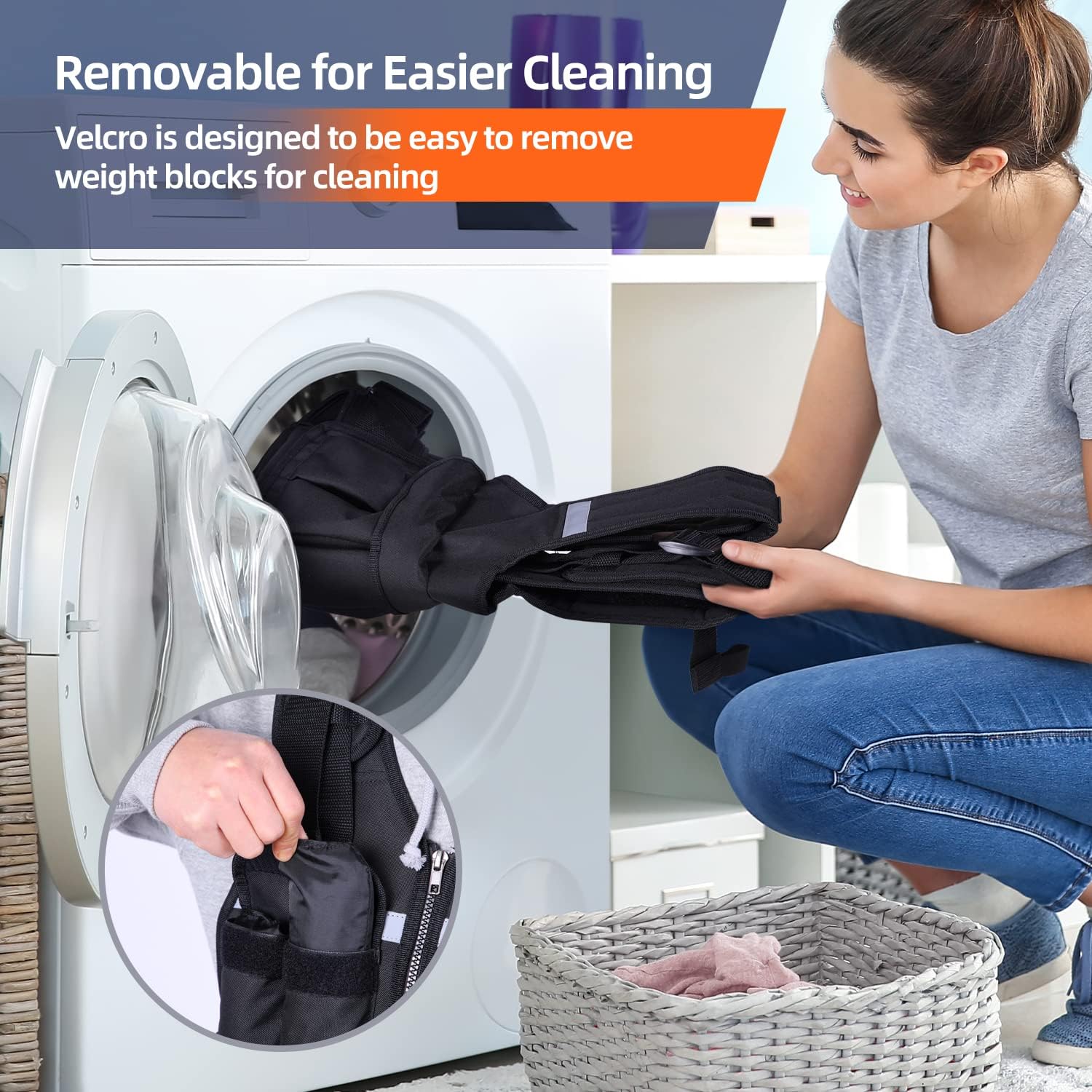
A weighted vest is exactly what it sounds like: a wearable garment fitted with removable weight inserts — usually small, dense plates or sandbag-style pouches — that adds resistance to your body during exercise. The idea is simple. Walk, jog, do bodyweight squats, or take a cardio class wearing one, and your muscles work harder against the extra load without you changing a single movement. For people who have hit a plateau with their current routine, or who want to build bone density, burn more calories per session, or progress steadily toward harder goals, a vest is one of the cleanest tools available. The question this article answers is specific: in the $30–$80 price band — below the premium $120–$200 tier but well above the basic fixed-weight options — is there genuine, durable value? Or are you buying a compromise that disappoints in six months? What follows is an honest breakdown of what the published record and practitioner community actually report, so you can make the call with clear eyes.
What the $30–$80 Tier Actually Gets You (and What It Doesn’t)
Start with expectations, because this tier is frequently misread in both directions — oversold in marketing copy and over-dismissed by premium-gear loyalists.
What you’re genuinely getting:
At $30–$80, the dominant category is vest-style carriers with removable iron-plate or sand-filled insert systems, typically adjustable from 4–6 lbs on the light end up to 20–40 lbs at the top of the range. Most are constructed from neoprene, nylon, or a polyester-neoprene blend. Closure systems are almost universally hook-and-loop (Velcro-style) with one or two shoulder straps and an abdominal strap for stabilization during movement.
Verywell Fit’s overview of weighted vests notes that this price range reliably delivers on the core functional requirement: progressive overload (gradually increasing resistance over time to keep challenging your body). The adjustability is real — you can start at 10 lbs and work up to 20 lbs by adding or removing the included weight inserts, which is the foundational reason to buy adjustable over fixed-weight in the first place.
Barbend’s roundup of weighted vests for women specifically calls out several mid-range options as offering “legitimate adjustability at accessible price points,” with the caveat that fit and weight distribution quality vary significantly between brands — a detail we’ll return to.
What you’re giving up relative to premium:
The tradeoffs are real and worth naming plainly.
- Weight increment precision: Premium vests like the Hyperwear HyperVest Elite allow micro-loading in 1–2 lb steps because their insert systems are engineered for it. Most mid-range vests ship with 2.5 lb or 5 lb insert blocks as the smallest unit. If you’re chasing precise progressive overload — adding exactly 1 lb per week to a walking program, for example — the math gets awkward fast.
- Material durability under daily use: ACE Fitness’s overview of weighted vest training notes that stitching failure and Velcro degradation under high-frequency use are among the most commonly reported failure points in lower-cost vest systems. The pattern in aggregated reviews is that mid-range vests used two or three times per week hold up well for 18–24 months; used daily in multi-session formats (the instructor-grade use case), wear patterns accelerate.
- Fit geometry: Unisex sizing at this tier tends to be sized for a male torso — shorter torso length, narrower waist taper. Barbend and Garage Gym Reviews both flag this consistently for women buyers. A vest that rides up during dynamic movement or gaps at the sides distributes weight unevenly, which turns a training tool into a frustration.
The Decision Frame: Who Should Buy in This Range
This is where the “if X, then Y” logic earns its keep. The mid-range tier isn’t a consolation prize — for specific use cases, it’s the correct answer. For others, it’s a predictable disappointment.
If X, then $30–$80 is your tier:
- You’re a home-gym user training 3–4 sessions per week. Moderate frequency is where this tier’s durability holds. Owners in long-run reviews consistently report 2+ years of solid use at this cadence without structural failure, provided they choose a vest with reinforced stitching at the insert pockets.
- You’re doing low-to-moderate impact activity: walking programs, light hiking, step aerobics, yoga flows with weight, bodyweight circuits. The weight distribution engineering doesn’t need to be elite-grade if your vest isn’t absorbing plyometric stress repeatedly.
- You’re starting a progressive overload program and 2.5–5 lb increments fit your progression math. If you’re moving from 10 lbs to 30 lbs over a 6-month ramp, the insert blocks at this tier cover that range cleanly.
- You’re a fitness coach or small studio operator buying multiple units for varied client use at low-to-moderate intensity. Per-unit cost math at $50–$70 per vest versus $150–$200 per premium vest changes the calculus when you’re outfitting 8–10 clients. The durability gap matters less when load per unit is shared.
If X, you should spend more:
- You’re a certified group fitness instructor running 2+ vest-wearing sessions daily. The daily-multi-session load is where mid-range stitching and Velcro systems visibly degrade. Garage Gym Reviews and the practitioner community consistently point to this as the crossover point where premium vest investment pays back in longevity.
- You need 1 lb micro-loading increments for a precision progressive overload program. You won’t find it reliably here.
- You’re a woman buying a vest for high-impact cardio (running, HIIT, dance fitness). Fit geometry at this tier — in aggregate reviews — produces bounce and lateral shift that reduces effectiveness and increases fatigue in the wrong places.
By the Numbers
| Factor | $30–$80 Mid-Range | $120–$200 Premium |
|---|---|---|
| Typical weight range | 4–40 lbs adjustable | 4–50+ lbs adjustable |
| Smallest increment | 2.5–5 lbs | 1–2 lbs |
| Expected lifespan (3x/week use) | 18–30 months (owner-reported) | 36–60+ months |
| Fit options | Usually unisex only | Often men’s + women’s cut |
Five Things to Check Before You Buy at This Tier
Knowing you’re in the right price band is half the decision. Knowing which specific vest to choose within it requires drilling into five variables that separate the genuinely good options from the ones that generate one-star reviews at month four.
1. Insert pocket reinforcement. This is the most important structural variable at this tier. Weight inserts exert shear stress on the stitching that holds the pockets — especially during dynamic movement. Across aggregated owner reviews, vests with double-stitched or bar-tacked insert pockets substantially outlast those with single-row stitching. Look for manufacturers who explicitly call this out in specs; the ones who don’t usually haven’t done it.
2. Closure system redundancy. Single-strap hook-and-loop closures are the most common failure point reported by owners in the 6–18 month window. A vest with both shoulder and abdominal straps — and ideally a secondary buckle at the abdominal closure — distributes movement stress across the system rather than concentrating it. Shape’s coverage of weighted vests flags single-closure designs as a common buyer regret at this tier.
3. Weight distribution architecture. Mid-range vests vary significantly in how they position inserts. Front-and-back distributed systems (weight split between chest and rear panels) keep the load centered over your center of gravity. Front-only or unbalanced designs create anterior (forward) pull — you feel it as forward lean, neck fatigue, and lower-back strain during longer sessions. Check whether inserts are distributed front-back before purchasing.
4. Torso length sizing. Published sizing guidance at this tier is frequently optimistic. A vest rated for “S/M/L” typically has a torso drop (shoulder seam to bottom hem) calibrated for a 5’8”–5’10” male torso. Shorter-torso buyers — including most women and many men under 5’7” — will find the vest riding up and bunching under the arms during dynamic movement. Verywell Fit’s weighted vest guide recommends measuring your actual torso length (nape of neck to natural waist) and comparing against manufacturer specs rather than trusting generic size labels.
5. Maximum rated load vs. your target weight. If your progression plan tops out at 20 lbs, buying a vest rated to 40 lbs and filling it halfway is fine — the structure is overbuilt for your use case. The reverse is a problem: loading a vest at or near its rated maximum stresses all of the above variables simultaneously. If your goal is 30 lbs, buy a vest rated to 40 lbs and give yourself structural margin.
The Brands Worth Knowing in This Range
Rather than a ranked leaderboard — which changes with inventory — here are the brand patterns the practitioner community references most consistently as of mid-2026.
Henkelion shows up in Verywell Fit and Barbend coverage as a mid-range brand that hits the fit-for-women note better than most at this price point. The women’s-cut version addresses the torso-length and waist-taper issues that most unisex designs miss. Owners in aggregated reviews report durability is solid at moderate use frequency.
ZFOsports is frequently cited in Garage Gym Reviews and owner communities for its robust insert-pocket construction at the 20–40 lb range. The tradeoff noted consistently: the vest runs wide in the torso, which benefits broader-shouldered buyers and disadvantages smaller frames.
RUNFast/Max covers the entry edge of this tier ($30–$45) and is regularly cited as a starting point for walkers and light-cardio users — not for high-impact or high-frequency applications, where the materials show wear faster than the mid-tier.
None of these brands operate at the precision engineering level of Hyperwear or 5.11 Tactical. That’s not a criticism — it’s a category definition. They’re delivering a different value proposition for a different use case, and the practitioner community generally treats them as exactly that.
The Honest Bottom Line
The $30–$80 mid-range vest tier delivers real value for the right buyer. For home users training at moderate frequency, clients in a small-studio setting at low-to-moderate intensity, or anyone whose progression math fits 2.5–5 lb increments, there is no principled reason to spend $150–$200. The gear works, owners report it holds up, and the adjustability is genuine.
The tier fails the instructor-grade, daily-multi-session, or precision-progression use case. If you’re running back-to-back group fitness classes in a vest five days a week, the materials aren’t engineered for that load cycle — not because the brands are cutting corners, but because the price point doesn’t support the component quality that daily professional use requires.
If you’re a home or light-studio user with moderate frequency goals: buy here, spend confidently, apply the five-variable checklist above.
If you’re a working instructor or running a high-frequency commercial program: treat this tier as a placeholder or a client-use fleet purchase, and plan the premium vest investment separately.
The market in 2026 is well-supplied at both levels. You don’t have to compromise — you just have to buy the right product for the actual job you’re asking it to do.