August 1, 2026 • Renata Solís • 10 min reading time • Specs verified June 5, 2026
Weighted Vest Smell, Heat, and Off-Gassing: The First-Week Reality Nobody Warns You About
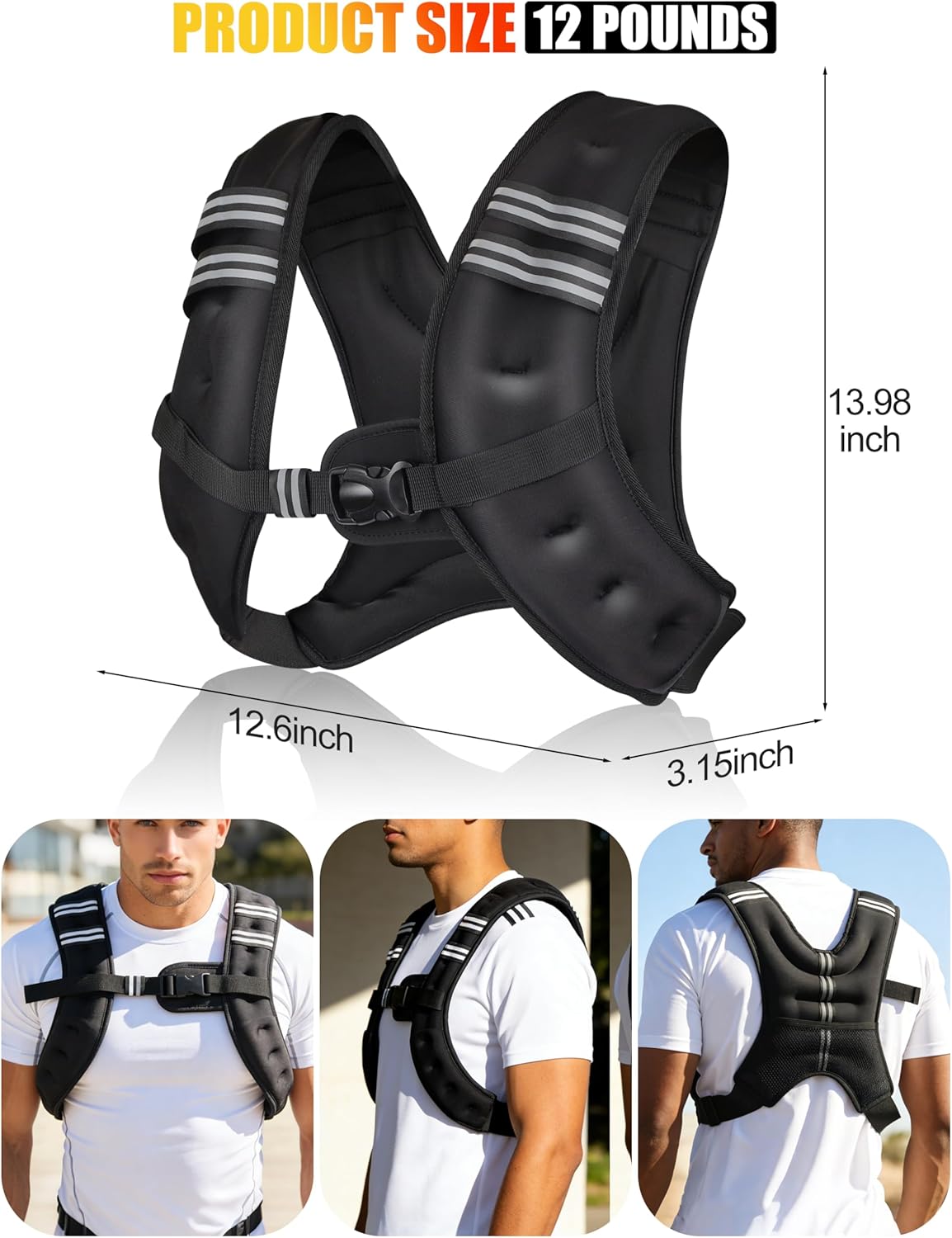
You unbox a new weighted vest, pull it out of the poly bag, and the first thing you notice isn’t the stitching or the weight distribution — it’s the smell. A sharp, chemical edge that hangs in the air. If you’ve never owned a weighted vest before, that scent can feel alarming. It isn’t. What you’re experiencing is off-gassing — the release of volatile organic compounds (VOCs) from new synthetic materials like neoprene, nylon webbing, PVC coatings, and the iron sand or steel shot used as fill weight. It’s the same reason a new car smells the way it does, or why a fresh yoga mat needs a few days on the porch before it stops announcing itself. Almost every weighted vest does this. Almost no product listing mentions it. This guide covers what’s normal, how long it lasts, what to do about it, and what warning signs to watch for in the first two weeks before your return window closes.
| EDITOR'S PICKRUNFast 40lbs Pro Weighted Vest | Mid-tierZELUS Weighted Vest | Budget pickHenkelion Weighted Vest Weight… | |
|---|---|---|---|
| Weight | 40 lbs | 6–30 lbs | 12 lbs |
| Reflective Stripe | — | ✓ | — |
| Weights Included | — | — | ✓ |
| Adjustable | — | — | ✓ |
| Price | $51.10 | $28.98 | $14.99 |
| See on Amazon → | See on Amazon → | See on Amazon → |
Why Weighted Vests Smell: The Off-Gassing Basics
The smell coming off a new weighted vest is almost always a combination of two things: the manufacturing residue on synthetic shell fabrics and the filler material sealed inside the weight pockets.
Most entry-level and mid-range vests use iron sand or steel shot as fill — compressed powder or granules sealed in individual pouches. These are coated to prevent rust and bound with adhesives during manufacturing. The coating process introduces VOCs that take time and airflow to fully dissipate. The outer shell — typically neoprene, nylon, or a polyester-canvas hybrid — carries its own set of manufacturing chemicals: dye fixatives, anti-mildew treatments, and PVC-adjacent coatings that give the material its texture.
Reviewers of the Henkelion vest are among the most explicit about this, with multiple verified purchasers flagging a “strong chemical odor” in the first days of use — while simultaneously rating the product highly. That pattern matters: the smell is a near-universal first-use condition, not a defect signal. It tells you the vest is new and sealed, not that something is wrong with your specific unit.
The ACE Fitness resource library on weighted training notes that synthetic training gear generally requires a brief conditioning period, and Verywell Fit’s gear break-in guidance echoes this for any equipment with sealed synthetic fill.
The Heat Question: Why Your Vest Runs Warmer Than You Expected
Off-gassing and heat are separate phenomena, but buyers frequently discover both in the same first session and conflate them. Here’s the distinction that matters operationally:
Off-gassing is a chemical process — it dissipates with time and airflow regardless of whether you’re wearing the vest.
Heat buildup is a mechanical reality — it happens because you’re wearing it, and it scales with ambient temperature, exertion level, and vest coverage area.
A weighted vest wraps around your torso. That means it covers a significant portion of the surface area your body uses to radiate heat and wick sweat. The heavier and denser the vest, the more insulating mass sits against your core. Reviewers of the Sportneer adjustable vest are notably direct about this: multiple purchasers flag that the vest becomes uncomfortable on warm days specifically, even at moderate intensities like walking. This isn’t a product failure — it’s physics. But it is a calibration gap that catches people off guard.
By the numbers — what aggregated reviewers report across vest categories:
| Condition | Reported Comfort Level |
|---|---|
| Indoor use, climate-controlled, light activity (chores, walking) | High — EMPOWER reviewers consistently describe this as their primary use case with no heat complaints |
| Outdoor walking, temps below 65°F | Generally comfortable across most vests |
| Outdoor walking or cardio, temps above 75°F | Sportneer and comparable adjustable-vest owners flag meaningful discomfort |
| High-intensity interval work, any temp | Heat buildup noted across all vest categories; mesh-panel designs (e.g., Hyperwear SoftVest Pro) partially mitigate |
The takeaway for the decision-in-progress: if your planned use is primarily indoor cycling, Zumba, or studio classes in a climate-controlled space, heat is a manageable variable. If you’re targeting outdoor loaded walks or summer HIIT work, vest shell construction — specifically the ratio of mesh paneling to solid fabric — becomes a spec worth scrutinizing before purchase, not after.
The Break-In Window: What’s Normal and What Isn’t
Here’s the framework that actually helps: there are three distinct timelines running simultaneously in your first two weeks with a new vest, and each needs separate tracking.
Timeline 1: Smell Dissipation (Days 1–7)
Across aggregated review patterns from Henkelion, ZELUS Z-Fit, EMPOWER, and Sportneer vest purchasers, the chemical smell follows a consistent arc: strong on unboxing, noticeable but reduced by day 2–3, background-level or gone by day 5–7 with adequate airing. Reviewers who report the smell lingering beyond 10 days are almost universally people who stored the vest in a closed room, a bag, or a closet rather than hanging it in open air.
The practical protocol: hang the vest somewhere with cross-ventilation — an open garage, a shaded outdoor area, near an open window — for 24–48 hours before first wear. Don’t bag it back up after use. Owners of the ZELUS Z-Fit vest specifically mention washability as a standout feature, and multiple reviewers note that a single gentle hand-wash cycle accelerated smell dissipation noticeably. More on washability in the FAQ.
Is the chemical smell a health concern? At the concentrations typical of a new synthetic garment off-gassing in open air, the VOC levels are comparable to other new textile products. Using the vest in a well-ventilated space during the first week is the conservative and sensible approach. If smell persists past two weeks even after airing, that’s the threshold for contacting the manufacturer.
Timeline 2: Structural Break-In (Days 1–14)
Weight pockets, adjustment straps, and closure systems all have a break-in arc. Velcro softens. Straps find their wear groove. This is normal and generally positive.
What you’re watching against during this window: seam stress under load. The CAP Barbell heavy vest review corpus is the most instructive data point available on this — one well-documented purchaser case describes seam failure after approximately 15 uses, followed by the seller’s proactive replacement response. Two things to internalize from that story:
- Seam failures, when they happen, tend to show early. If a vest is going to have a structural issue, the first two weeks of regular use under full load is when it surfaces.
- The replacement response matters as much as the failure. That reviewer’s ultimate rating was positive because the seller acted quickly. Know your return and warranty window before you start training in the vest.
Inspect seams and pocket stitching after sessions 3, 7, and 14. Look specifically at the points where weight pocket rows attach to the main shell — these are the highest-stress zones on any sand-fill vest.
Timeline 3: Fit Calibration (Days 1–10)
This is the window where the gap between “fits at the store / fits in an unboxing video” and “fits during a 45-minute loaded walk” becomes clear. Vest fit shifts as the materials conform to your torso and as you learn how tight the adjustment system needs to be to prevent bounce without restricting breathing.
For female buyers using unisex vests — which describes the majority of the mid-market field — this calibration window is where the fit story either works or doesn’t. Unisex vest construction typically assumes a male torso profile, meaning the shoulder panel sits wider and the chest coverage runs flatter. If shoulder slippage or sternum-strap binding emerges consistently by session 5, that’s diagnostic: you’re not adjusting it wrong, the geometry isn’t matching your frame. The decision point is whether the adjustment range can compensate or whether a different model is warranted before day 14.
Frequently Asked Questions
Is it safe to wear a weighted vest that smells strongly of chemicals?
For most people, yes — with the caveat that first use should happen in a well-ventilated space. The VOC levels from a new synthetic vest airing in open air are consistent with other new textile products and not clinically flagged as hazardous at normal exposure. If you are particularly sensitive to chemical smells, have respiratory sensitivities, or are pregnant, err toward a full 48–72 hours of outdoor airing before wearing and keep first sessions in well-ventilated spaces.
How long does the off-gassing smell from a new weighted vest typically last?
Across aggregated reviewer reports for Henkelion, ZELUS, EMPOWER, and Sportneer vests: most buyers report the smell is either gone or barely noticeable within 5–7 days with proper airing. Buyers who store the vest in enclosed spaces report it lingering 2–3 weeks. Hanging the vest in cross-ventilation and doing a single gentle hand-wash (where the product allows it) are the two interventions that consistently appear in “smell resolved faster than expected” reviews.
Can I machine wash my weighted vest, and will that ruin the iron sand weights?
It depends on the vest’s construction. The ZELUS Z-Fit vest is explicitly marketed with washability as a feature, and reviewers specifically validate this. Many iron-sand vests, however, use weight pouches that are not designed to be submerged — machine washing can cause the sealed pouches to tear, the sand to clump, or the shell to lose shape. Check the manufacturer’s care label before any wash. If the vest is not rated for machine washing, a damp-cloth wipe-down of the shell and strategic airing is the correct maintenance protocol.
Why does my weighted vest feel hotter than expected during outdoor walks?
Your vest is covering a significant portion of your torso’s natural heat-dissipation surface. Dense fill material adds thermal mass. And if the shell fabric is a solid neoprene or canvas construction — as it is on most budget and mid-range vests — it traps heat rather than venting it. Sportneer vest reviewers flag warm-day discomfort directly. This is a design characteristic, not a defect. Vests with mesh side panels or a breathable outer layer (the Hyperwear SoftVest Pro construction is the benchmark here) reduce this meaningfully. If outdoor summer use is your primary context, shell construction should be a tier-one buying criterion.
What should I look for in the first two weeks of use to catch a defective vest before the return window closes?
Per the CAP Barbell heavy vest review record, the earliest structural failure point is pocket seam attachment, typically visible after 10–15 sessions under full load. Check: (1) seam integrity at weight pocket rows after sessions 3, 7, and 14; (2) strap anchor points for fraying or pulling; (3) closure system (Velcro, buckle, or zipper) for any signs of separation under use stress. On the fit side, any persistent bounce, shoulder slippage, or sternum restriction that doesn’t resolve with adjustment by day 10 is a signal worth acting on while return options remain open.
How do I air out a weighted vest quickly without damaging the materials?
Hang it — don’t fold it and don’t bag it. A hanger in an open garage, on an outdoor porch in shade, or near a window with cross-ventilation is the fastest dissipation setup. Avoid direct prolonged sunlight on neoprene or PVC-coated shells; UV exposure can degrade these materials over time. A fan directed at the vest accelerates the process. For vests with removable weight pouches, removing the pouches and airing them separately is more effective than airing the assembled vest. If your vest’s care instructions permit surface washing, a damp wipe-down of the inner facing fabric followed by open-air hang drying is the most complete first-week reset available.
The bottom line is straightforward: smell and heat in the first week are expected, time-bounded, and manageable. Structural issues, if they’re going to appear, tend to surface in the first 15 uses — which means your return window and your diagnostic window overlap almost perfectly. Use that window deliberately.